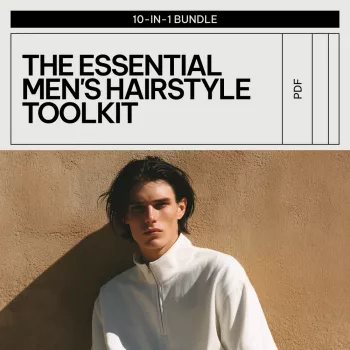
A sharp haircut is usually less about having “perfect hair” and more about having the right references, routines, and decision tools. A digital hairstyle toolkit can help simplify what to ask for, what to do at home, and how to keep a look consistent between barber visits—especially when switching styles, growing hair out, or dialing in beard-to-hair balance. For more guidance, see The Complete Guide to Men’s Haircuts: Fades, Tapers, Crops ….
A practical bundle works best when it’s less “inspiration board” and more “repeatable system.” The goal is to move from vague preferences (“short on the sides”) to consistent outcomes (“low taper, keep weight at the ridge, textured top at X length”). For further reading, see The Ultimate Guide to Men’s Hairstyles | Man For Himself.
| Component | What it helps with | Best for |
|---|---|---|
| Hairstyle chooser guide | Shortlisting styles by hair type and face shape | Anyone changing styles or growing hair out |
| Barber request templates | Turning a picture into clear instructions (lengths, taper, neckline) | Avoiding miscommunication in the chair |
| Styling routines | Daily steps from towel-dry to finish, including product order | People who want consistent results fast |
| Maintenance schedule | Timing trims, neck cleanups, and product resets | Keeping fades and edges crisp longer |
| Problem-solver pages | Quick adjustments for volume, frizz, and direction issues | Hair that’s stubborn, wavy, or unpredictable |
If you want a single organized resource, The Essential Men’s Hairstyle Toolkit: 10-in-1 Digital Bundle for Stylish Haircuts & More is built around that “choose, communicate, style, maintain” flow—so you’re not reinventing your routine every morning.
A simple way to keep momentum: treat the first haircut as “version 1.” After that, adjust only one element per appointment (fade height, top length, texture level, or neckline shape). That one-change rule makes it easier to learn what actually improves your look versus what just feels different.
Scalp comfort matters, too—flaking or tightness can make styling harder and encourage over-washing. For guidance on dryness and care basics, see the American Academy of Dermatology Association’s dry scalp tips.
When routines feel confusing, keep it plain: a gentle cleanse schedule, a single go-to styler, and a consistent finishing step (air-dry for a relaxed look or quick blow-dry for direction and lift). The Cleveland Clinic’s overview of hair care tips is a helpful reference point for everyday habits.
| Goal | Trim frequency | Daily styling time |
|---|---|---|
| Low-maintenance clean | Every 3–5 weeks | 2–5 minutes |
| Versatile classic | Every 4–6 weeks | 5–10 minutes |
| Statement texture | Every 3–6 weeks (shape-dependent) | 8–15 minutes |
For a broader, budget-friendly approach to grooming and personal care routines (including haircare basics), pair the toolkit with Glow for Less – Budget Beauty Guide Ebook to keep your routine effective without turning it into a hobby.
Yes. Focus on consistent shape and moisture routines, then choose styles that follow your growth patterns rather than fighting them. A toolkit helps you set a clear silhouette goal and communicate taper and length preferences appointment to appointment.
Use a simple maintenance schedule: quick neckline/sideburn cleanup, lighter product as the hair gains bulk, and trims planned before the sides and crown lose structure. Keeping the perimeter neat often buys the most time.
Include your top length target, the sides approach (taper or fade and its height), how to handle the crown/cowlick, and your neckline preference. Bring a reference photo that matches your hair type and density so expectations stay realistic.










Leave a comment