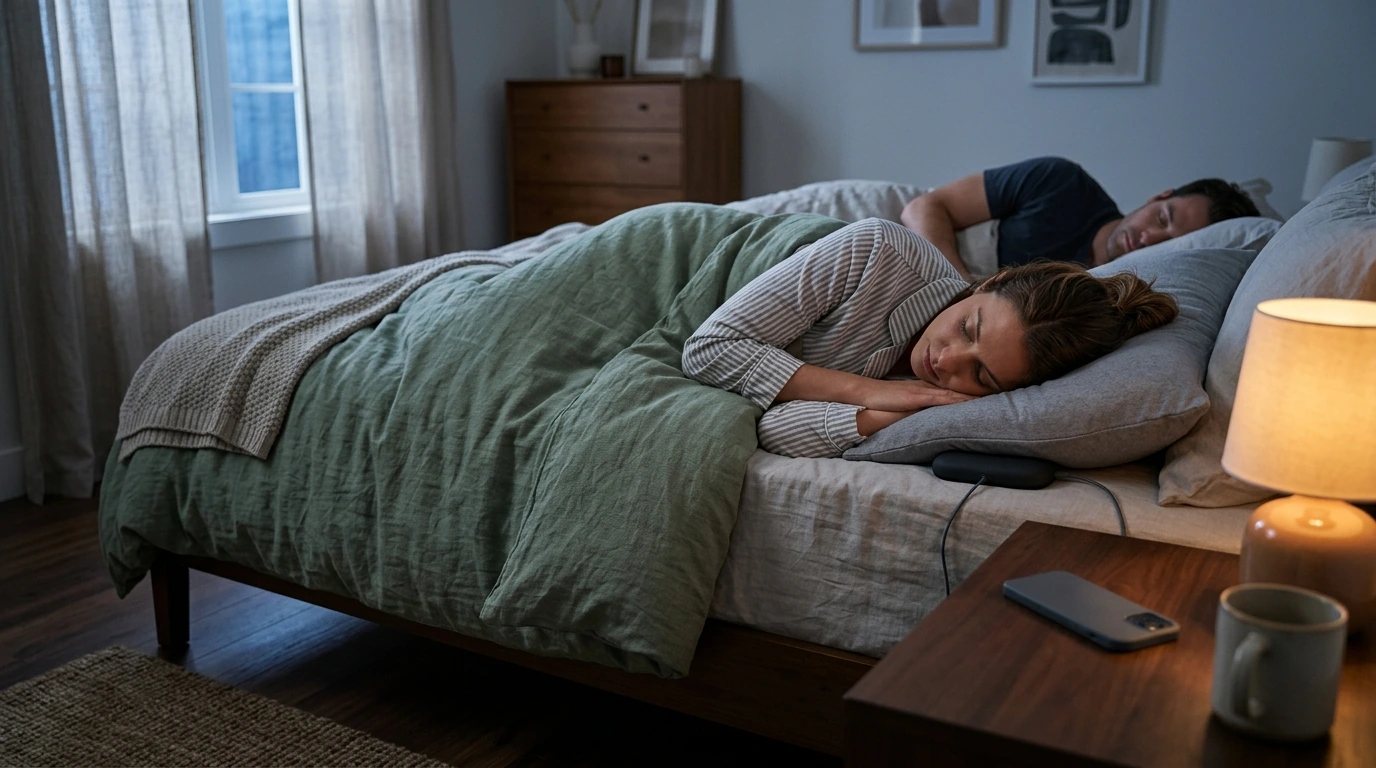
A bone conduction pillow speaker is designed to sit under a pillow and transmit sound through vibrations, making it easier to listen to audiobooks, calming playlists, or guided meditations without filling the room with noise. This guide explains how under-pillow bone conduction works, what to expect from comfort and volume, and how to set up the Under Pillow Wireless Bone Conduction Bluetooth Speaker for a simple nightly routine.
Traditional bedside audio uses open-air speakers (your phone, a smart speaker, or a small Bluetooth speaker). An under-pillow bone conduction-style speaker takes a different approach: it relies on vibration that travels through the pillow material, so the sound feels more “local” to the listener.
If better sleep is the goal, it also helps to keep the rest of the bedroom routine consistent (lighting, temperature, wind-down timing). For general sleep-health basics, see NIH guidance on healthy sleep and the CDC’s sleep resources.
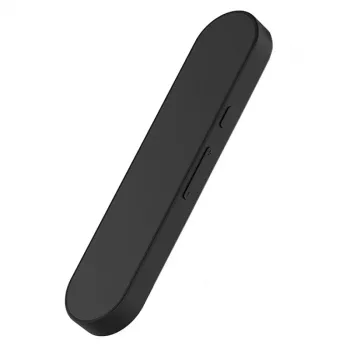
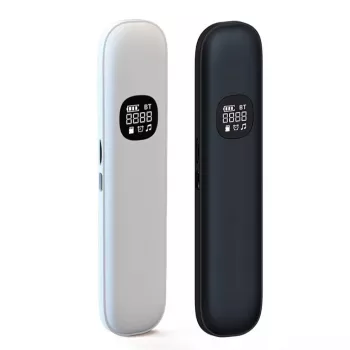
The Under Pillow Wireless Bone Conduction Bluetooth Speaker is built for bedtime listening where privacy and comfort matter more than room-filling volume.
| Product | Type | Connection | Typical use | Price |
|---|---|---|---|---|
| Under Pillow Wireless Bone Conduction Bluetooth Speaker | Under-pillow vibration speaker | Bluetooth (wireless) | Audiobooks, meditation, sleep sounds | $22.51 |
Placement is the difference between “clear narration” and “muffled vibration.” Start with a simple setup, then make small adjustments over a few nights until it feels effortless.
One practical tip: test your placement while sitting up and again after you lie down. Head pressure changes how vibration travels, and a spot that sounded fine upright can become boomy or muted once you settle in.
Under-pillow vibration audio shines when the content doesn’t demand powerful bass or crisp stereo imaging. Think “comfort listening,” not “concert mode.”
To protect hearing over time, keep volume moderate even if the audio feels “soft” through fabric. For safe listening context, the WHO’s overview on hearing loss is a useful reference point.
The easiest bedtime setup is the one that removes friction: no scrambling for cables, no surprise notification sounds, and no “why won’t it connect?” troubleshooting at midnight.
If a nightly wind-down routine is also part of a broader wellness reset, a simple self-check tool can help identify stress patterns earlier. The AI-Powered Burnout Radar digital checklist is a low-lift option to pair with evening habits like short meditations or screen-free time.
It usually leaks less sound than an open-air speaker, but it depends on pillow thickness, volume, and how much vibration transfers through the bed frame or mattress. Start at a low volume and test from your partner’s side, then fine-tune placement near the pillow edge to reduce transfer.
Yes, it can work well for side sleepers when placed near the pillow edge under the ear zone, often slightly forward toward the face. Comfort depends on pillow firmness and the exact position, so small adjustments matter.
Using a sleep timer and keeping the volume moderate is safer and more sleep-friendly than continuous loud playback. Also avoid trapping the device under heavy bedding to reduce heat buildup and minimize interruptions by silencing notifications.










Leave a comment